
The New Pace of Marathon Marketing


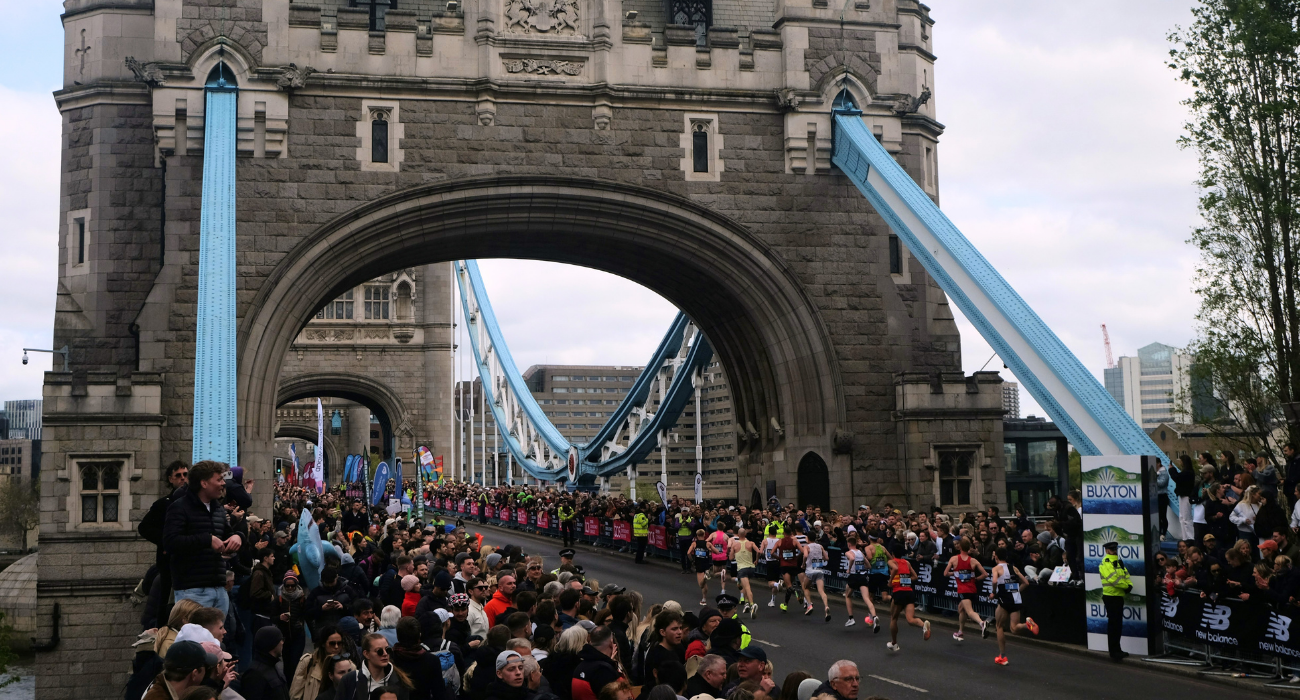
For one weekend every April, London turns into one big running community. Not just for the people racing, but for the brands, creators, crews and audiences trying to keep pace! And this year, the marathon felt less like a sporting event and more like a live stress test for how brands show up in culture…
The Winners
The obvious standout was Adidas. Between sponsoring both winners (Sabastian Sawe and Tigst Assefa), landing two record-breaking performances, and timing the launch of the Adizero Adios Pro Evo 3 just days before race day, they managed to create the kind of marketing moment most brands spend years trying to engineer.
What made it even stronger was how organic it felt; it was astounding how little they actually needed to force it. While other brands invested heavily in large, on-site activations across London, Adidas let the performance story travel on its own. This restraint made them stand out, especially when set against the wider backdrop (and noise) of the week.
The Runners Up
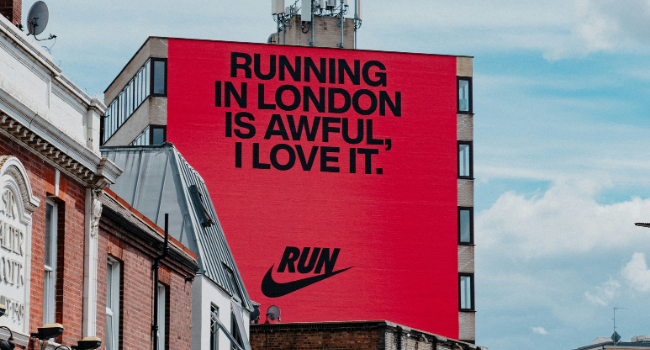
Nike came into London still dealing with fallout from the “Walkers Tolerated” backlash during Boston Marathon weekend, after runners criticised messaging outside its Newbury Street store for feeling exclusionary. In the age of social media, this faux pas quickly became a much bigger conversation around accessibility and inclusivity within modern running culture.
ASICS countered with “Runners. Walkers. All welcome,” Altra doubled down on its “Run. Walk. Crawl.” positioning, Adidas quietly bolstered its own inclusive messaging, too. The interesting part wasn’t really the backlash itself but how quickly competitors recognised the cultural opening and used their responses as a form of indirect marketing.
What it all means for wellness marketing & culture
Running has changed massively over the past few years. The category has become less about elite performance alone and far more tied to identity and community, especially during marathon season where first-timers, charity runners and casual participants are just as visible.
But the brands generating the most interesting momentum weren’t always the ones spending the most on physical footprint. Runna is probably the clearest example: no physical activation at all, yet still one of the biggest share-of-voice winners from the entire weekend through creator partnerships alone. Five paid creator collaborations generated a combined reach of roughly 10.5 million, proving just how far creator participation now travels compared to traditional event builds.
That shift feels important because marathon culture is uniquely built for creator marketing. Training starts months before race day. People document everything from long runs, recovery routines, injuries and playlists to nutrition, nerves, and emotion. The marathon already behaves like a content ecosystem before brands even enter the picture.
What’s also striking is how many non-endemic brands now want in. Apple, Google Gemini, Clinique UK, Uber Eats, Marks & Spencer and Boots all appeared during marathon week through creator partnerships rather than expensive experiential builds.
That’s probably the biggest takeaway from the weekend overall. The brands winning in running culture right now are the ones treating the marathon less like a sponsorship opportunity and more like a community they genuinely understand.
Cherry Pick’s approach riffs off that. For upcoming sporting events, we’ll be keeping our ear to the ground on attendees, narratives that ladder up to the big moment, and slotting brands into creator stories additively. The best performing partnerships are the most authentic, and that’s where we’re helping brands to pick up the pace.
Latest Insights
Want some dynamite in your inbox?
What we do can't be squeezed onto this site. Sign up for our newsletter!